
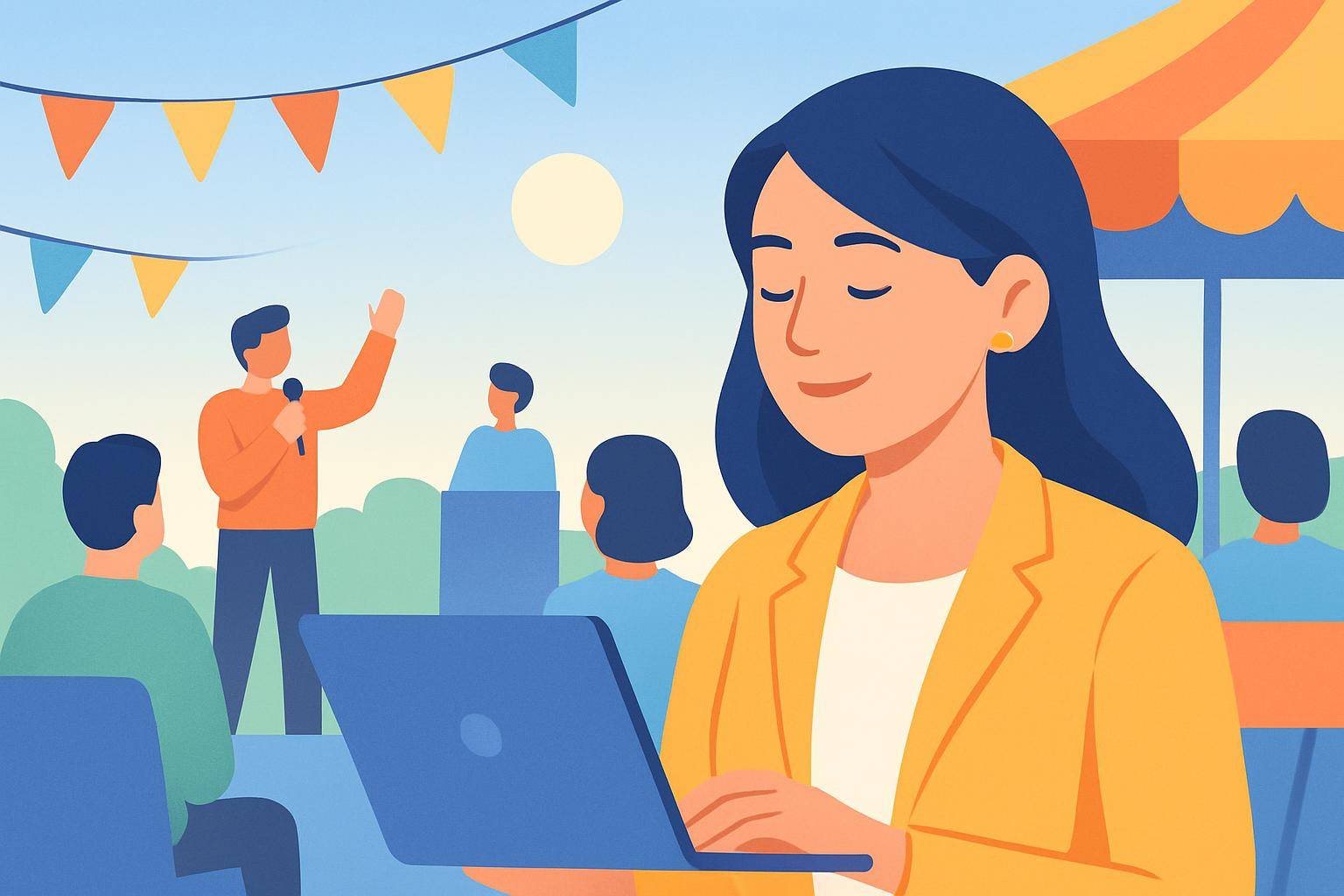
Participating in local events can be a game changer for small businesses. It’s a fantastic way to connect with your community, build brand awareness, and attract new customers. In this article, we'll explore concrete strategies to leverage local events effectively.
Why Local Events Matter
Local events, such as fairs, festivals, farmer's markets, and community gatherings, offer a unique opportunity for small businesses to engage with potential customers face-to-face. Here’s why they matter:
- Build Relationships: Face-to-face interactions help build trust and rapport with your community.
- Visibility: Events allow you to showcase your products or services to a concentrated audience.
- Networking: Meet other local business owners and potential partners.
Identifying the Right Events
Not all events will be suitable for your business. Here’s how to identify the right ones:
- Know Your Audience: Understand who your target customers are and where they spend their time.
- Research: Look for events that align with your brand values and attract your ideal customer.
- Community Boards & Social Media: Check local event calendars, community boards, and social media groups for upcoming events.
Examples of Potential Events
- Farmers' markets
- Street fairs
- Holiday festivals
- Charity runs or walks
- Local art shows
How to Prepare for an Event
Once you’ve identified an event that fits your business, it’s time to prepare!
Set Clear Goals
Determine what you want to achieve:
- Increase brand awareness
- Generate leads
- Drive sales
Create an Attractive Booth
Make sure your booth stands out:
- Use eye-catching banners and signage.
- Offer samples or demonstrations of your products/services.
- Have business cards and promotional materials available.
Engage with Attendees
Interaction is key. Here’s how:
- Ask Questions: Get to know your customers and their needs.
- Collect Contact Information: Have a sign-up sheet for newsletters or giveaways.
- Social Media Promotion: Encourage attendees to tag your business on social media.
Follow-Up After the Event
Your work isn’t done once the event ends. Here’s what to do next:
- Thank You Emails: Send a follow-up to those who signed up for your newsletter or provided their contact information.
- Social Media Posts: Share photos from the event and tag attendees to keep the conversation going.
- Evaluate Performance: Analyze what worked and what didn’t, and adjust your strategy for future events.
In Conclusion
Participating in local events is a powerful way to enhance your business's visibility and connect with your community. By carefully choosing events, preparing effectively, and following up, you can create lasting relationships that lead to increased customer loyalty and sales.
If you're looking for more ways to enhance your online presence, try our free 60-second AI website audit at ThriveCanvas!